Understanding AfCFTA: The Basics
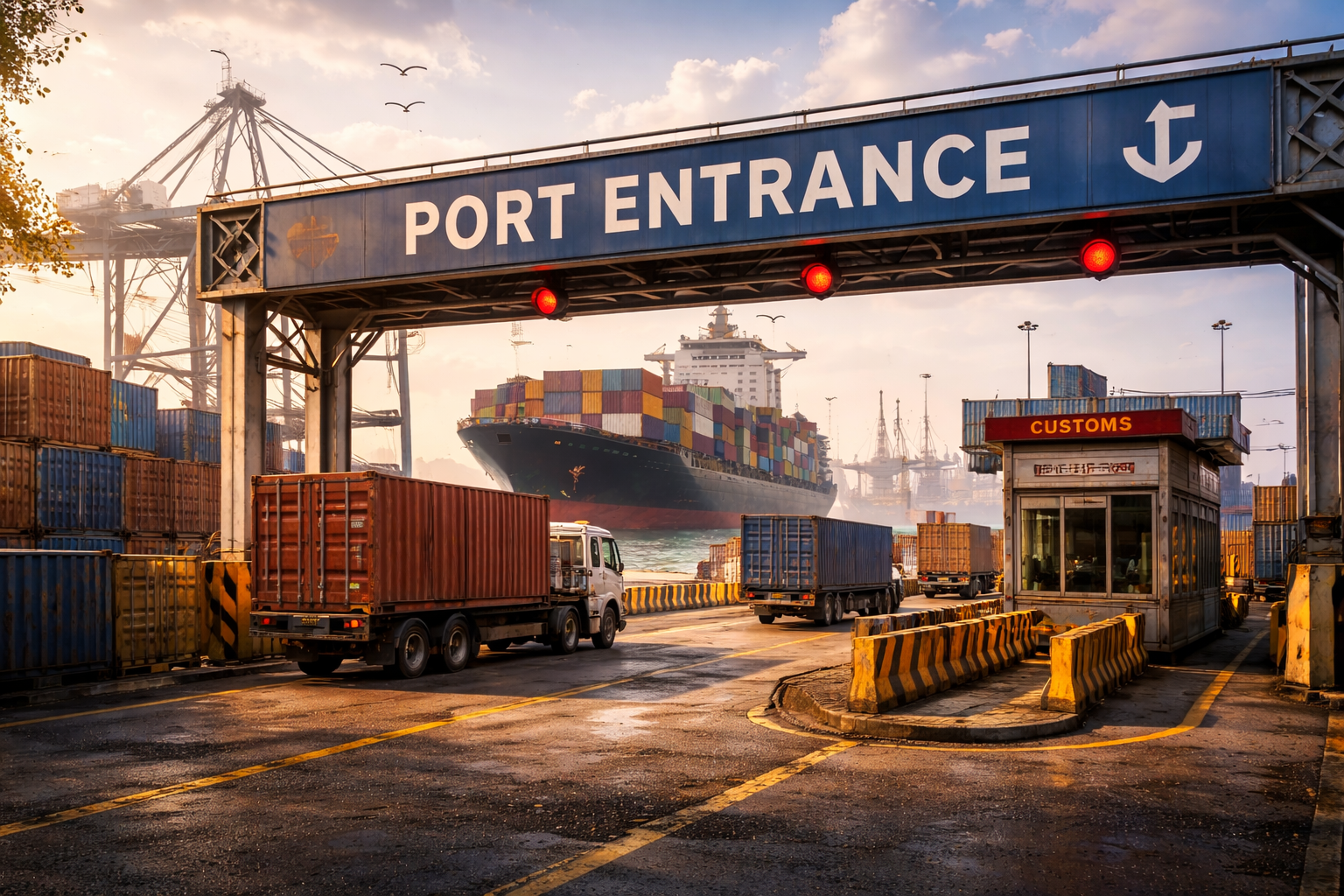
When you look at a port stacked high with shipping containers, you aren't just looking at cargo; you are looking at frozen capital. Every box sitting on that tarmac represents a loan that isn't being repaid, a business waiting for inventory, and a bank growing nervous about its "African risk" exposure.
The AfCFTA and Afreximbank have done the heavy lifting of creating the legal and financial rails for continental trade. But as every logistics manager knows, the most sophisticated trade finance deal can still die a slow death in the humidity of a congested port.
The Container Conundrum: The Bank’s Blind Spot
The primary reason for the $81 billion Trade Finance Gap isn't a lack of money; it’s a lack of transparency.
- The Physical Risk: A bank in Cairo or Johannesburg funding a container moving through the Port of Beira has no way of knowing if that container is actually being loaded, if it’s stuck in a 10-day customs backlog, or if it has been diverted.
- The "Black Box" of the Port: Once a container enters the port gates, it often enters a data "Black Box." For lenders, this uncertainty is priced as "High Risk," leading to the steep interest rates that stifle African SMEs.
iPurvey: Making the "Metal" Talk to the Bank
At iPurvey, we turn the physical movement of those containers into the digital "Proof of Life" that banks require. We ensure that the container isn't just a box of metal, but a verified asset on a digital ledger.
How our solutions resolve the Port Bottleneck:
- Freight Assist: We use AI-driven computer vision to track the "Turnaround" of cargo. We provide the bank with real-time timestamps of when a container is offloaded, cleared by customs, and gated out. This reduces the "perceived risk" of theft or indefinite delay.
- In-bound IQ: We validate the contents of those containers against the Advanced Shipping Notice (ASN). By confirming that the physical cargo matches the digital invoice, we eliminate the threat of collateral fraud that keeps many global lenders on the sidelines.
- Real-Time De-Risking: By shortening the "Time-to-Clearance," iPurvey allows Afreximbank-backed lenders to recycle their capital faster. A container that moves through a port in 3 days instead of 14 means the bank can fund four times as much trade with the same amount of money.
The AfCFTA will be built one container at a time. If we want to close the finance gap, we have to make the containers visible to the people holding the pens at the banks.
A container in the port is a liability. A tracked container is an asset. iPurvey makes the difference.
Ready to see through the stacks? Visit ipurvey.com to see how our AI and data-led solutions are de-risking African port operations for the next generation of trade finance.
Related Articles
.png)
.png)